The forecast for your exact spot, not the region.
National models forecast a 6-13 km grid box. We forecast your slope, your field, your solar panel - from one weather station, learned on 9 years of its own data. Runs on a Raspberry Pi. No satellite, no supercomputer, no cloud.
See what it forecasts ↓Professional weather models (ICON, ECMWF, GFS) are extraordinary - at the scale of a 6-13 km grid box. But the decision you make happens at one point: this slope, this vineyard, this array. Between the grid and the point sits real money, and the generic forecast can't see it.
That gap is fine when the weather is just conversation. It's expensive when it drives a snow cannon, a spray rig, a grit truck, an energy bid, or a solar-market position. Those are point decisions, and they want a point forecast.
Nine years of a single sensor's own data, turned into forecasts tuned to the exact decisions that cost money where it stands.
Every automatic weather station quietly records its own microclimate for years. That history is the training set no global model has: how this spot actually behaves. We learn one model per forecast step from it, benchmark honestly against the professional baselines, and only ship what beats them where it matters.
The result isn't "better weather" in the abstract. It's a tighter number on the one variable a specific customer is paying to get right - and a measured claim about how much tighter.
Each product maps to a decision with a hard cost of being wrong. Every one is measured on held-out data (see the proof table below).
Every number below comes from a fully held-out test set on 9 years of real station data, benchmarked against the fair baseline - not a strawman. The figures are honest, and where a professional model still wins, we say so.
| Product | Measured result | Baseline it beats |
|---|---|---|
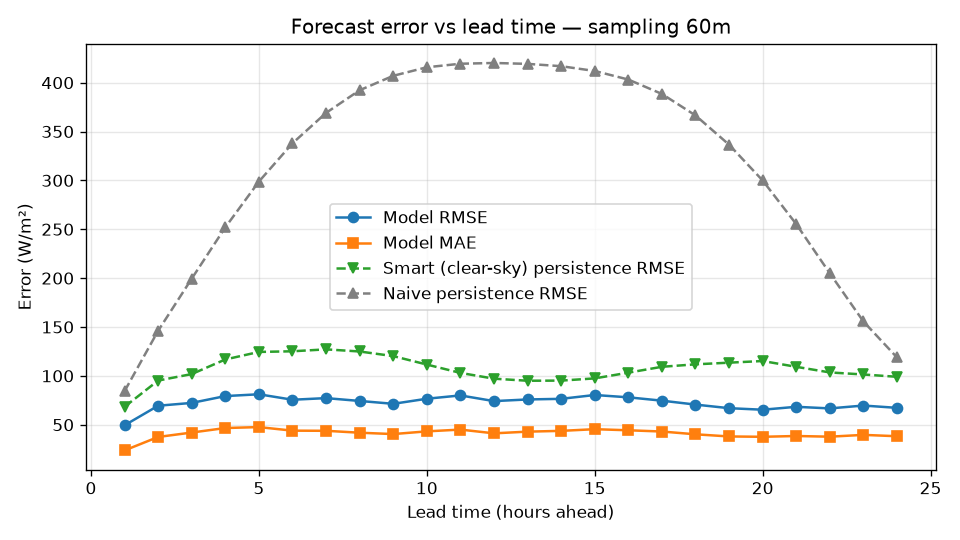
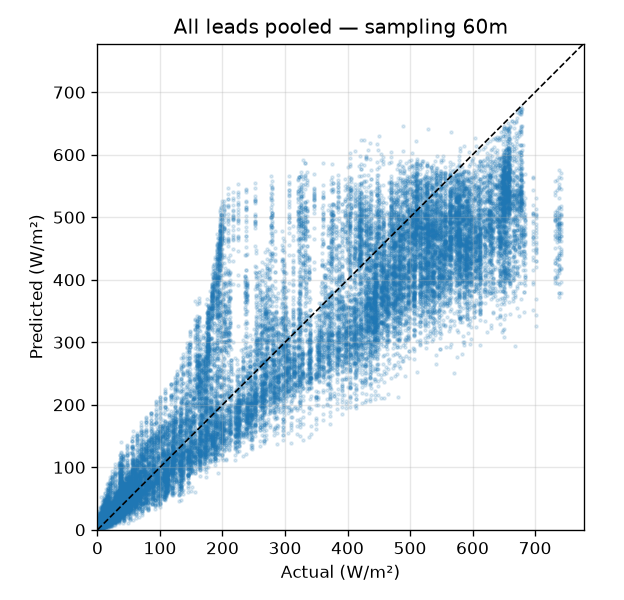
| Solar (GHI) | +32% skill | Smart-persistence, held-out 2026. 30% daytime nRMSE - competitive with international ML solar forecasters, sensor-only. |
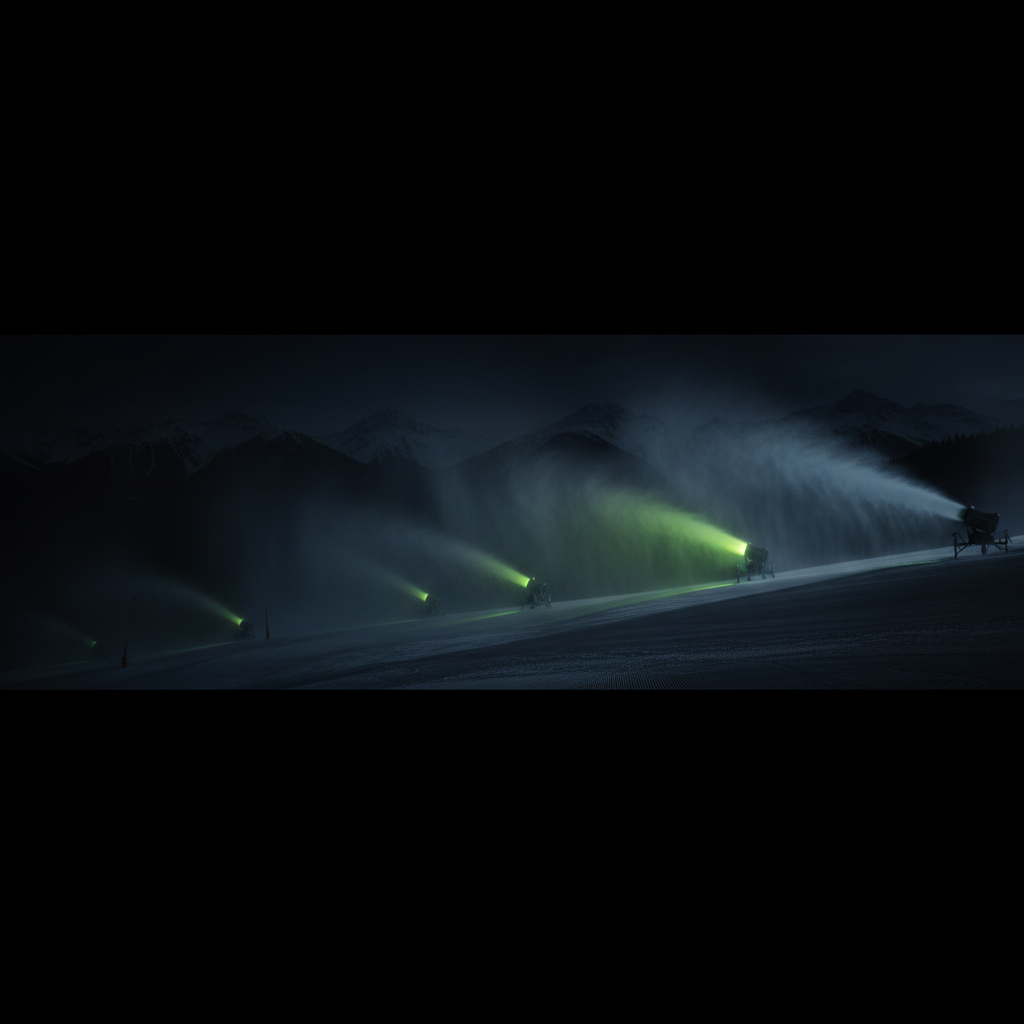
| Snowmaking | 802 h / yr | Wet-bulb windows (Stull 2011) over 10 winters. Each avoided bad-window night saves €2-5K in energy. |
| Road gritting | F1 0.84 | POD 85%, false-alarm 15%, 5-window held-out. Fewer wasted call-outs, icing events still caught. |
| Energy demand | 0.997 °C | 72 h min-temperature mean error, calibrated NWP - the driver of heating/gas demand. |
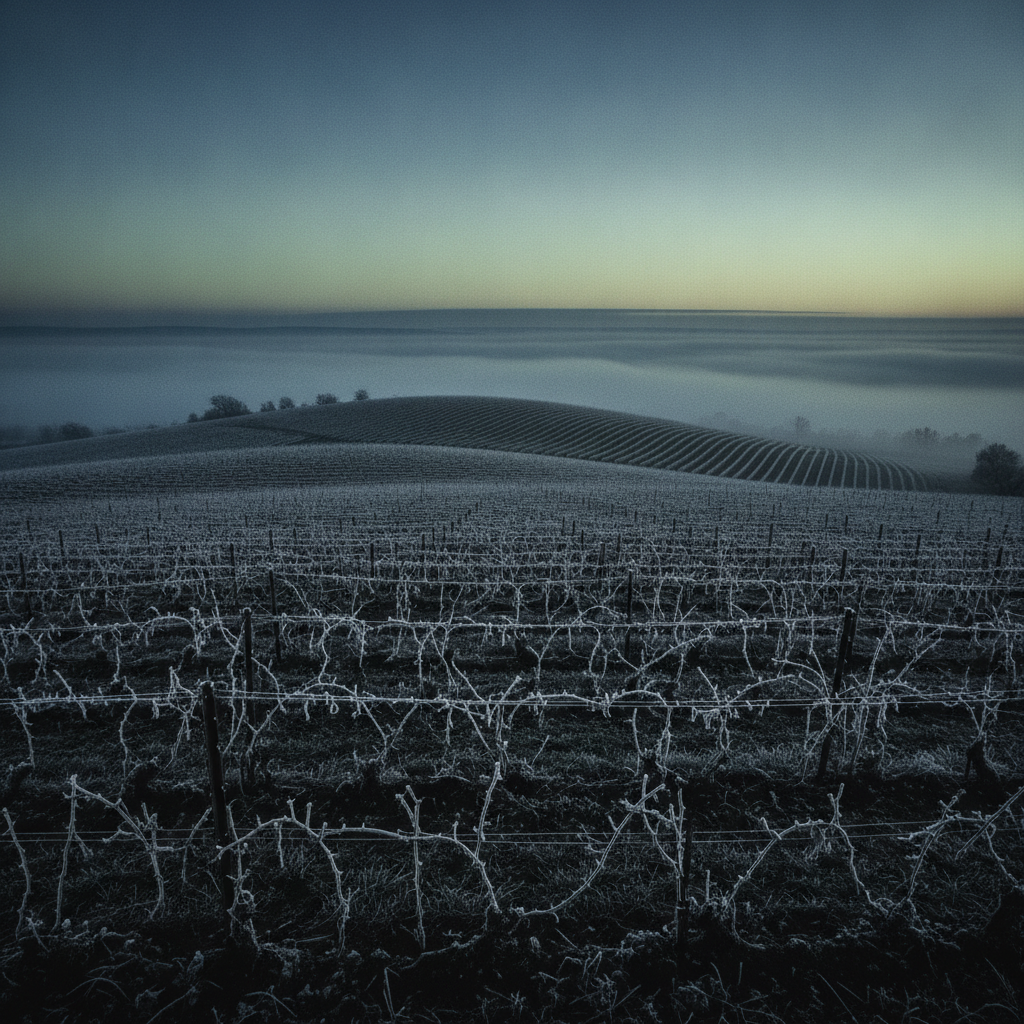
| Frost | 100% hard-frost | Hit rate on hard frost, 6 h ahead. The event a grower cannot afford to miss. |
| Rain probability | 5 / 5 sweep | Our KODON engine beats operational ICON / GFS / ECMWF on 24 h rain probability, same held-out data. |
On raw temperature at synoptic scale, a well-placed operational model (ICON) is still stronger - and we say so plainly. Our edge is the hyperlocal, decision-shaped variables above.
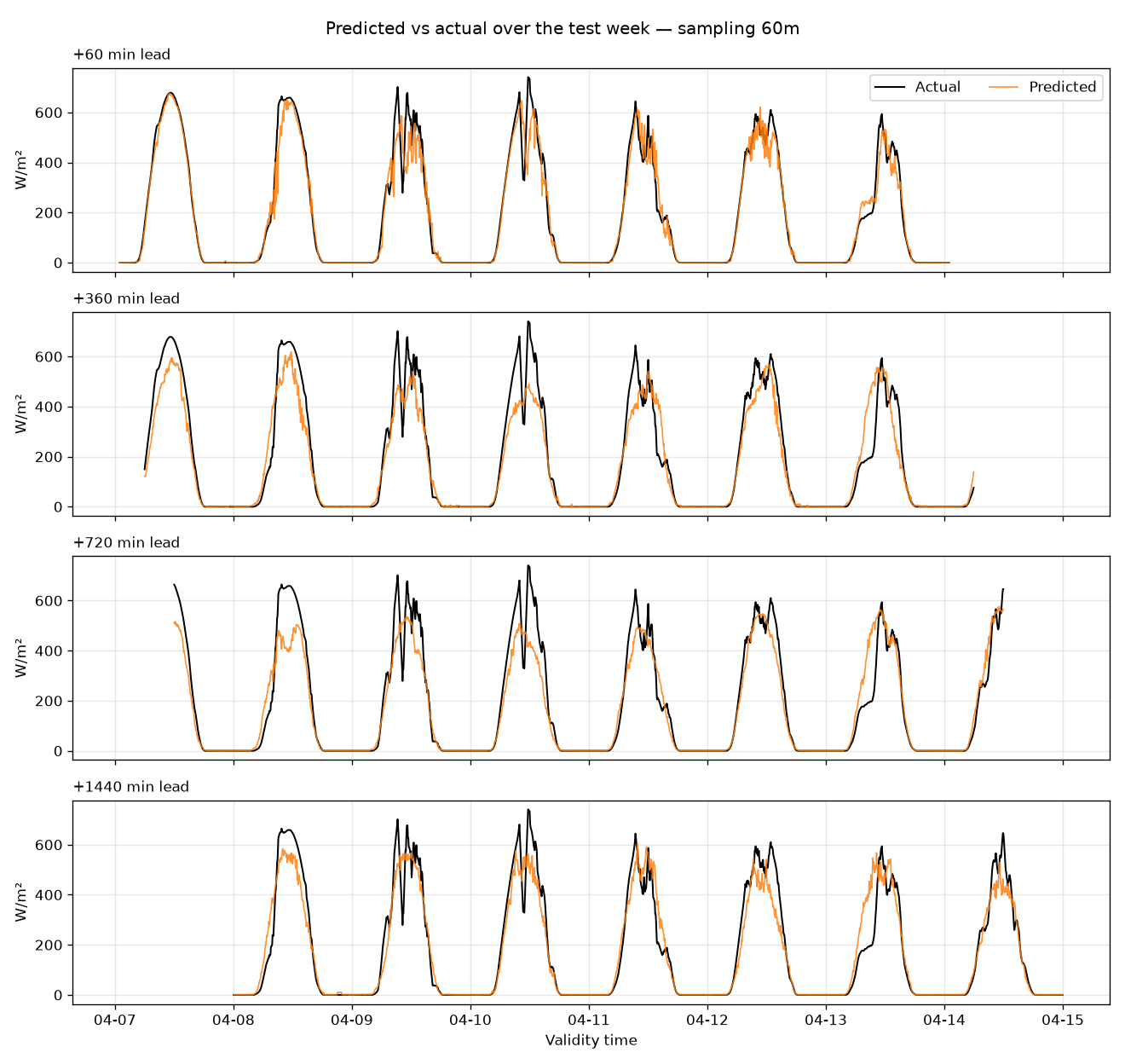
The solar forecaster, checked line-by-line against the station's own 5-minute records - training counts, held-out split and baseline all reproduced from scratch.
Nothing here is asserted - it's re-runnable on the same machine the data lives on. And here is that week, drawn straight from the held-out test set:


The economics are unusually clean: the data is free and it runs on a Raspberry Pi, so cost-to-serve is almost nothing. Revenue comes from one measurable saving per product. Ordered by how easily the buyer can do the math themselves:
| Wedge | Buyer | The saving they can price today |
|---|---|---|
| Snowmaking Start here | Ski resorts | €2-5K / night |
| Solar / PV | PV operators, energy traders | Tighter market bids, fewer imbalance penalties, better battery dispatch - per site, per day. |
| Frost | Vineyards, orchards | One saved night = a rescued harvest. Insurance-grade value per alert. |
| Road gritting | Municipalities, road authorities | Fewer wasted grit call-outs at F1 0.84, without missing an icing event. |
| Energy demand | Utilities, gas suppliers | Sub-1°C 72 h min-temp sharpens demand and procurement forecasting. |
For scale reference, not parity: Tomorrow.io, a weather-intelligence company built on satellites and ~500 staff, is valued above $1B. KODON WEATHER attacks the same value - the decision, not the map - from one sensor and a Pi.
Data falls through the stack from raw readings to a priced decision, all on one owned box.
The whole stack runs on a Raspberry Pi, air-gapped, next to the station. The customer's data never leaves their site, and every forecast is an auditable, re-runnable computation.
And what we won't claim: long-range prediction (physically impossible), replacing the global forecasting systems, or beating them at synoptic scale. A product whose whole value is an honest number has to be honest about its own.
"We don't sell a better map. We sell the one decision the map can't make for you - and we prove the saving."
Koscak ResearchBuilt at Koscak Research, in the EU, on one station and a Raspberry Pi. Point it at your slope, your field, your array. Measure the saving. Pay for the decision, not the map.
koscak.ai →